


After water, tea is one of the most widely consumed beverages in the world. For thousands of years, people have enjoyed tea not only for its refreshing taste but also for its natural compounds and cultural significance. Interestingly, all true teas come from the exact same plant: Camellia sinensis. The real difference lies in the manufacturing and oxidation process, which determines whether the leaves become green, oolong, or black tea.
For years, green tea has been the top choice for health-conscious people looking to stay fit in today’s busy, desk-bound lifestyle. Backed by numerous scientific studies, green tea has become a daily wellness staple worldwide. At the same time, oolong tea—a traditional Chinese brew—is rapidly becoming very popular on supermarket shelves and online stores, offering comparable health benefits with a richer, smoother flavor profile.
Quick Verdict: Oolong Tea vs Green Tea
Choose Green Tea if you prefer a light, refreshing brew rich in catechins, particularly EGCG, with generally lower caffeine content. Choose Oolong Tea if you enjoy a richer, more complex flavor with varying oxidation levels and a slightly higher caffeine content in many preparations.
Oolong Tea vs Green Tea: At a Glance
Let us dive deeper into oolong tea vs. green tea to help you decide which brew is better suited for your body and taste buds.
| Feature | Green Tea | Oolong Tea |
|---|---|---|
| Plant Origin | Camellia sinensis | Camellia sinensis |
| How It’s Made | Unoxidized (Steamed or pan-fried) | Partially oxidized (10%–80%) |
| Taste & Color | Light green color; fresh, grassy taste | Golden to amber color; rich, smooth, stronger taste |
| Antioxidants | Very high (rich in EGCG) | High (good mix of natural antioxidants) |
| Caffeine (per cup) | ~20–45 mg | ~30–55 mg |
| Harvest Time | Best batches picked once a year (Spring) | Picked up to 3 times a year |
| Best Season | Best enjoyed in summer | Best enjoyed in winter |
Origin and Processing Methods: Oolong Tea vs Green Tea
Both oolong tea and green tea share deep historical roots in China. Green tea originated in China nearly 4,000 years ago, initially used for medicinal purposes before its production spread across Japan, India, and other parts of Asia.
Oolong tea, whose Chinese name Wulong translates to “Black Dragon,” also originated in China. It is traditionally associated with Chinese tea-making regions, particularly Fujian and Guangdong provinces, as well as Taiwan.
Since both teas come from the same tea plant, their differences are primarily determined by cultivation, harvesting, and processing methods. What truly sets them apart is how the leaves are handled after plucking.
Step-by-Step Processing Chart
You can easily see the difference in how both teas are crafted:
- Oolong Tea Processing:
Withering → Rolling → Partial Oxidation → Frying or Drying → Sorting - Green Tea Processing:
Pan-frying or Steaming → Pre-drying → Rolling → Post-drying → Shaping & Styling
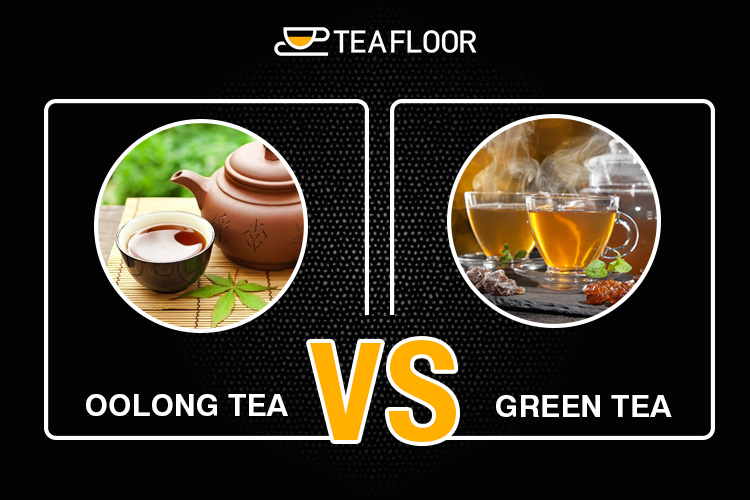
How Oxidation Shapes Flavor and Color
Green tea is unoxidized. As soon as fresh tea leaves arrive at the factory, they are immediately heated at high temperatures through steaming or pan-firing. This heat deactivates the natural enzymes responsible for oxidation, keeping the polyphenols intact. As a result, green tea brews into a pale green or light yellow liquor with a fresh, grassy flavor. However, because its natural tannins do not go through the mellowing effect of oxidation, green tea can taste bitter or astringent if steeped for too long or in boiling water.
Oolong tea is partially oxidized. In essence, it follows a manufacturing process similar to black tea, except the oxidation period is carefully controlled and halted much sooner (ranging between 10% and 80%). Because of this semi-oxidation, oolong tea brews into a darker, golden-to-amber cup with a smoother, fuller-bodied flavor that sits right between delicate green tea and black tea.
Anti-oxidants: Oolong Tea vs. Green Tea
All true teas contain essential antioxidants that support overall health, though the exact levels vary depending on how the leaves are processed. The primary antioxidants found in tea are polyphenols and catechins, which help protect the body’s cells from harmful free radicals and oxidative stress. Research suggests that regular consumption of these antioxidants supports cardiovascular health and protects brain function over time.
Which tea has more antioxidants?
Green tea is generally rich in catechins, particularly EGCG. Oolong tea also contains beneficial polyphenols, but their types and concentrations vary depending on the tea cultivar and processing method. While green tea is often associated with higher catechin levels, the total antioxidant content can vary between individual teas. Both remain valuable sources of naturally occurring tea polyphenols.
Caffeine Level Comparison
Caffeine helps keep us alert, and both green and oolong tea provide a mild, steady energy lift. Because both come from the Camellia sinensis plant, their caffeine levels are fairly close, though processing creates a slight difference:
- Green Tea: Contains approximately 20 to 45 mg of caffeine per 8-ounce cup.
- Oolong Tea: Contains approximately 30 to 55 mg of caffeine per 8-ounce cup.
- Coffee (for comparison): Contains roughly 95 to 200 mg per cup.
Actual caffeine content varies depending on the tea variety, serving size, amount of leaves used, brewing temperature, and steeping time.
Because the difference between the two teas is minor, caffeine alone does not have to be your only deciding factor. More importantly, compared to coffee, both green and oolong tea contain less than half the caffeine—alongside L-theanine, a calming amino acid. So, if you want to stay focused without the jittery feeling or sudden crash of coffee, either oolong or green tea is a great choice.
Weight Loss and Digestion: Which One Works Better?
Medical Disclaimer: Both oolong tea and green tea are healthy, low-calorie beverages rather than medicines. Enjoy them as part of a balanced diet, and consult a healthcare professional for any specific medical conditions or concerns.
Today’s busy routines make it easy to gain weight and challenging to lose it. One of the simplest ways to cut excess daily calories is by replacing sugary, high-calorie drinks—like a loaded frappuccino or soda—with an unsweetened cup of tea.
Scientific studies suggest that the polyphenols and natural caffeine in both green and oolong tea support fat oxidation and gently boost metabolism, helping your body burn energy more efficiently:
- Green Tea for Metabolism: Green tea contains catechins, particularly EGCG, along with caffeine. These compounds may have a modest effect on energy expenditure and fat oxidation. However, their overall impact on body weight is generally small. Drinking strong green tea on an empty stomach may also cause discomfort in some sensitive individuals. For a targeted herbal blend crafted around green tea catechins, you can try Teafloor’s SlimG Weight Loss Tea as part of an active routine.
- Oolong Tea and Digestion: Oolong tea has a different polyphenol profile from green tea. Some people may find it easier to tolerate than strong green tea, but individual responses vary. Both teas contain caffeine and tannins that may cause discomfort in sensitive individuals. If you specifically want a soothing cup after heavy meals, our herbal Digestion Tea is another gentle option to consider.
If you are looking for herbal blends specifically crafted to support daily metabolism and gut comfort, you can explore Teafloor’s curated collection of Wellness Teas, including targeted options for digestion and weight management.
Beyond weight management, adding either tea to your daily routine offers several shared wellness advantages:
- Supports Cardiovascular Health: Tea polyphenols have been studied for their potential role in supporting heart health.
- Supports Weight Management: Natural caffeine and catechins may have modest effects on energy expenditure.
- Provides Antioxidants: Both teas contain polyphenols that help protect cells against oxidative stress.
- Supports Oral Health: Tea polyphenols may help limit the growth of certain oral bacteria.
- Provides Gentle Energy: Both teas contain caffeine, which can help improve alertness and concentration.
Quality, Leaf Maturity, and Purity
Like all agricultural crops, tea plants absorb nutrients—and potentially environmental elements—from the soil and air around them. Green tea is typically crafted from younger, tender top buds and leaves, whereas oolong tea is crafted from slightly more mature leaves that can withstand rolling and partial oxidation.
Rather than leaf age alone, the true safety and purity of your tea depend on where and how it is grown. Choosing fresh, single-origin loose-leaf teas from reputable producers with transparent sourcing and appropriate quality testing can help ensure better quality and safety.
Taste Profile and Flavor Variety
When it comes to flavor complexity and appreciation among tea lovers, oolong tea often stands out. Depending on how lightly or darkly it is oxidized, oolong offers a wide variety of flavors from creamy and floral to rich, fruity, and roasted. Its fuller body and bolder character also make it an ideal transition drink for coffee lovers.
Green tea, on the other hand, offers a cleaner, lighter, and more vegetal taste. While low-grade green teas can sometimes taste bitter if over-steeped, high-grade spring green teas are naturally smooth, delicate, and subtly sweet.
Harvest Frequency and Rarity Value
In terms of seasonal rarity, artisanal green tea holds a special edge. The finest first-flush and spring green teas—such as prized Chinese and Darjeeling spring harvests—are plucked only once a year during a brief 6-week window, making them highly sought-after and rare.
By contrast, depending on the growing region, cultivar, and production style, oolong tea may be harvested multiple times throughout the year, ensuring a more consistent supply of fresh batches.
Final Verdict: Oolong Tea vs Green Tea
In the end, picking between oolong tea vs green tea comes down to your personal taste and daily routine. Go for green tea if you prefer a light, refreshing cup rich in catechins, particularly EGCG, or pick oolong tea if you prefer a richer flavor and smooth digestion after meals.
According to traditional Chinese tea wisdom, green tea is best enjoyed in the summer, while oolong tea is ideal in the winter—though there are no strict rules. Whichever you prefer, you can explore garden-fresh Green Tea and Oolong Tea at Teafloor to find your favorite daily brew!
You May Also Like to Read:
- Want to see how a tangy, caffeine-free flower infusion compares with classic green leaves? Read our full breakdown on Hibiscus Tea vs Green Tea.
- Looking for a soothing herbal blend to support immunity and everyday digestion? Discover the key Health Benefits of Tulsi Ginger Green Tea.
- Curious about which brews best support daily vitality, skin health, and hormonal balance? Explore our complete guide on tea for women health.
- Ever wondered how spring and summer picking seasons change the flavor of Indian leaves? Learn the differences in First Flush vs Second Flush Darjeeling Tea.
- Interested in a colour-changing blue herbal tea that is completely caffeine-free? Check out our comparison on butterfly pea tea vs green tea.




With thanks! Valuable information!
We’re a group of volunteers and starting a new scheme in our community. Your website provided us with valuable info to work on. You’ve done a formidable job and our entire community will be grateful
to you.
Thank you for the information. I have tea from Taiwan that is called “Green Oolong”, It looks green but brews darker than green tea. Would it be classified as green tea? It is called Ten Ren’s First Grade Green Oolong.
Hi Barbara, any tea that has oxidized past a certain point is considered oolong. I can’t speak on how that level of oxidation is measured, but if it’s labeled green oolong, it’s oolong, it just means that it hasn’t been oxidized as much as other oolong teas. Most oolongs brew brown and red. A green oolong will likely still brew green or yellow. The antioxidants are lost in the oxidation process of the tea so a green oolong is still going to have more than a red or black oolong.