


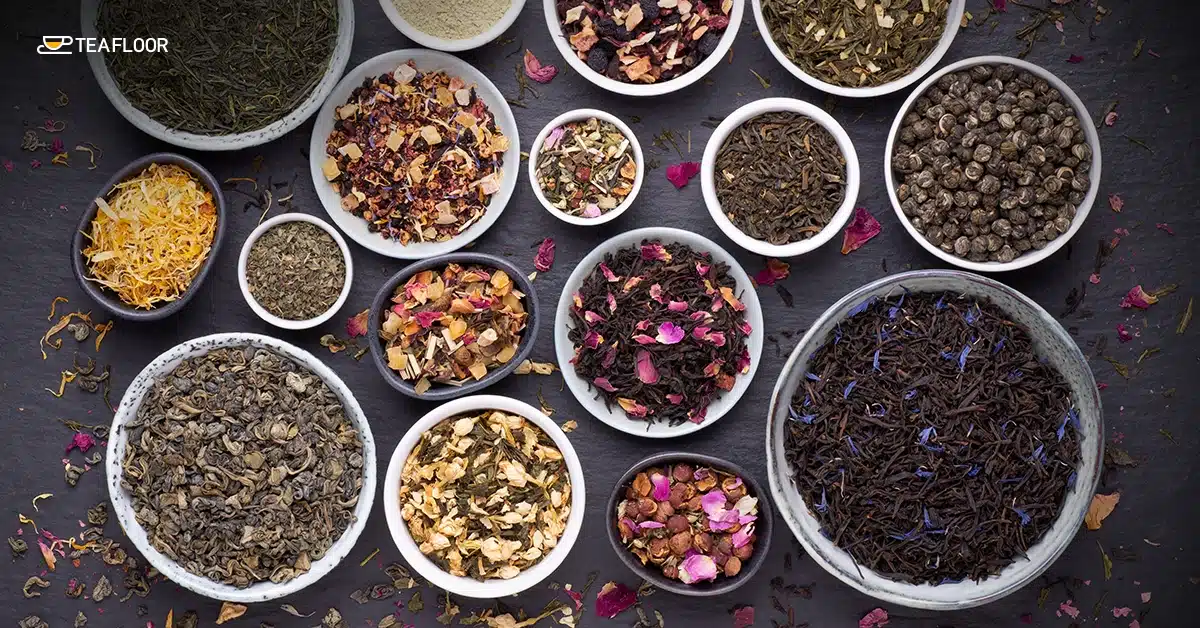
Found an old tin of tea at the back of your cupboard? Before you throw it away, take a look at the leaves. You may be surprised to know that tea doesn’t automatically become unsafe just because it is old or has passed the date printed on the pack.
With dried tea, there is a difference between losing freshness and actually going bad. Old tea may taste flat or lose its aroma, while tea that has picked up moisture or developed mould is a different story.
So, does tea expire? Not in the same way as fresh foods do. Here’s how to tell whether your old tea is still okay to brew and when it’s better to throw it away.
Quick Takeaway: Does Tea Expire?
- Old tea isn’t automatically unsafe: A best-before date doesn’t necessarily mean the tea becomes unsafe on that exact day.
- Tea can lose its freshness: Older tea may have less aroma and a weaker or flatter taste.
- Moisture is a bigger concern: Tea that has become damp can spoil and should not be used.
- Check the tea before brewing: Mould, an unusual smell, damp leaves or other clear signs of spoilage mean it’s time to throw it away.
Does Tea Expire? The Simple Answer
Dried tea is quite different from foods such as milk, meat or fresh produce. When tea is properly dried and kept dry, there is very little moisture available for many types of microorganisms to grow.
But that doesn’t mean tea stays exactly the same forever.
Over time, tea can lose some of its aroma and flavour. You might open an old packet and find that the leaves smell much weaker than they used to. Brewed tea may also taste flat or less enjoyable.
So if you find an old packet in your cupboard, don’t judge it by its age alone. Look at the condition of the tea, smell it and check whether it has been exposed to moisture.
What Does the Date on Tea Mean?
The date printed on a tea package can be confusing.
A best-before date is generally about quality. It indicates the period when the product is expected to retain its intended taste and quality. It isn’t necessarily an exact date when the tea suddenly becomes unsafe.
You can also read the USDA guide to food product dating for more information about how food date labels work.
Can You Drink Tea After the Best-Before Date?
In many cases, yes. If the tea has been kept dry and there are no signs of spoilage, being past the best-before date doesn’t automatically mean you need to throw it away.
The first thing you may notice is a change in taste. The tea might not have the same aroma it once did, or the brewed cup may seem weaker and less flavourful.
That’s usually a freshness issue rather than an indication that the tea has suddenly become unsafe.
Still, don’t ignore what you see and smell. If an old packet has been exposed to moisture or looks contaminated, it’s better not to use it.
Does Tea Actually Go Bad?
Yes, tea can go bad.
The age of the tea isn’t usually the main problem. The bigger issue is what happened to it while it was sitting in storage.
A sealed packet kept somewhere dry is very different from a packet that has been left open in a humid kitchen. Once moisture gets into dried tea, the risk of spoilage goes up.
That’s why stale tea and spoiled tea aren’t the same thing.
Stale Tea vs. Spoiled Tea
Understanding the difference between stale tea and spoiled tea is crucial for both flavor and safety. While older tea leaves might lose their rich aroma over time, they aren’t necessarily dangerous to consume. Use the comprehensive comparison table below to quickly identify if your tea has simply lost its freshness or if it has become unsafe to drink.
| Feature | Stale Tea | Spoiled Tea |
|---|---|---|
| Definition | Lost its freshness and flavor over time. | Damaged by moisture, mold, or bacteria. |
| Aroma / Smell | Very weak or has no aroma at all. | Musty, sour, damp, or unusual smell. |
| Appearance | Leaves look normal but dry and faded. | Visible mold, dampness, or clumping. |
| Taste Profile | Tastes flat, weak, or paper-like. | Unpleasant, bitter, or completely off. |
| Safety Status | Safe to drink, just less enjoyable. | Unsafe. Do not brew or consume. |
How to Tell If Tea Has Gone Bad
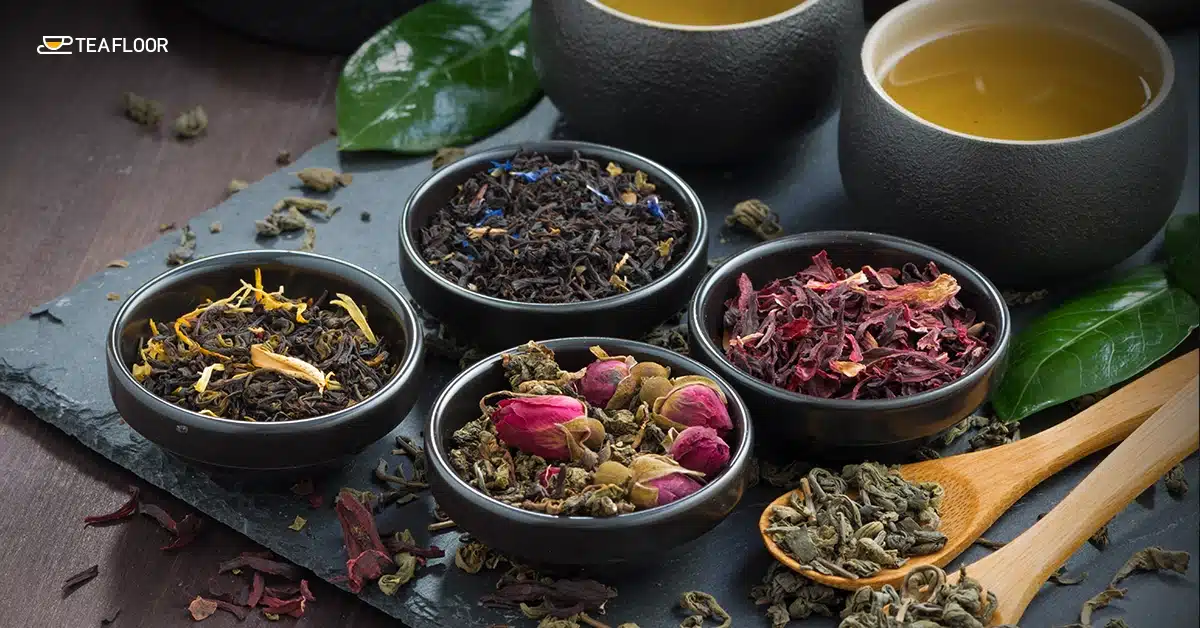
Not sure about that old tea sitting in your cupboard? Give it a quick check before you put the kettle on.
Here are the main signs to look for.
1. You See Mould
If you see mould on the tea, don’t use it.
Mould can appear as unusual fuzzy growth or spots that weren’t part of the original tea or ingredients. Don’t try to remove the affected leaves and save the rest. If you can see mould, discard the tea.
2. The Leaves Feel Damp
Tea leaves should be dry.
If the leaves feel damp, sticky or unusually soft, moisture may have got into the package. You may also notice that the leaves have started sticking together or forming clumps.
That’s a good reason to throw the tea away.
3. It Has a Strange Smell
Give the tea a smell before brewing it.
If it smells musty, sour, damp or simply “off,” don’t ignore it. Tea can also pick up strong smells from other foods, but if the odour seems unusual for that particular tea, it’s safer not to use it.
4. The Tea Looks Different
Take a close look at the leaves and any other ingredients in the blend.
Unexpected spots, unusual discoloration or visible contamination can be signs that something has gone wrong. If you’re not sure why the tea looks different, it’s better to leave it alone.
5. It Has Lost Almost All Its Aroma
This one is usually about quality rather than safety.
Older tea can lose much of its aroma over time. If the leaves have become very faint-smelling but are still dry and look normal, they may simply be stale.
If the tea is dry and has no obvious signs of spoilage, it may simply be a matter of whether you still like the taste and aroma. But never taste tea that shows signs of mould, moisture or spoilage to see if it is safe.
Can Old Tea Make You Sick?
Simply being old doesn’t automatically mean tea will make you sick. The concern is whether the tea has been spoiled or contaminated.
For example, tea that has absorbed moisture and developed mould should not be consumed. The same applies to tea that has an obvious spoiled or unusual smell.
If you’re unsure whether an old packet has been affected by moisture or contamination, don’t taste it to find out. Throwing it away is the safer choice.
Does Tea Go Bad After Opening?
Opening a packet doesn’t make tea unsafe straight away. But once the package is open, the leaves are exposed to air and whatever is around them.
Over time, repeated exposure to air, humidity, light and strong kitchen smells can affect the tea’s quality.
This is why an opened packet can slowly lose its aroma and taste, even when the tea still looks perfectly normal.
Does This Apply to Tea Bags and Loose Leaf Tea?
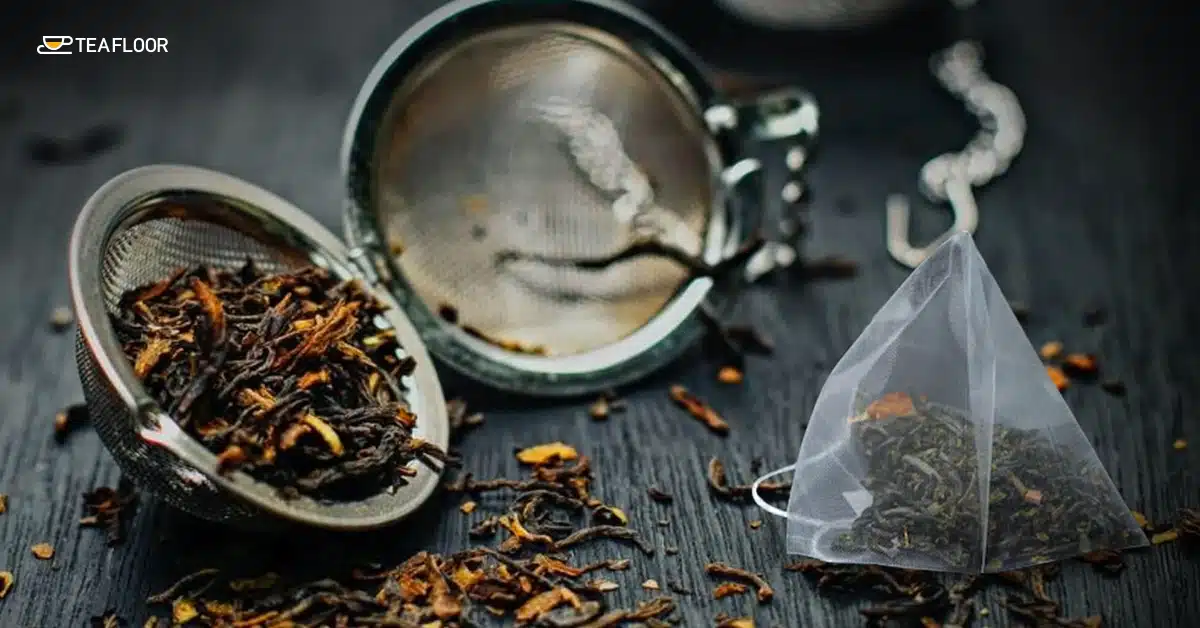
The same basic rule applies to both tea bags and loose leaf tea.
Tea bags often contain smaller tea particles, so they can lose their aroma fairly quickly when exposed to air. Loose leaf tea can also become stale when it isn’t stored well.
But neither one automatically becomes unsafe just because it is old.
Check for the same things: moisture, mould, unusual smells and visible changes.
If you’d like to know more about tea bags, take a look at our guide on everything you need to know about tea bags.
What Happens When Tea Gets Old?
Old tea doesn’t always look dramatically different. In many cases, you notice the change when you open the packet or make a cup.
The tea may:
- Have a much weaker aroma.
- Taste flat or less flavourful.
- Lose some of the character it had when it was fresh.
- Smell less noticeable than you remember.
These changes don’t necessarily mean the tea has spoiled. They are often just signs that the tea has lost freshness.
What Can Make Tea Go Bad?
How you store tea can make a big difference to its condition.
Moisture
Moisture is one of the biggest problems for dried tea.
Keep tea away from water, steam and humid areas. Once the leaves become damp, they can spoil.
Air
Air exposure can gradually affect the aroma and flavour of tea. Keeping the package properly closed helps slow this down.
Light and Heat
Strong light and heat can affect tea quality over time. A cool, dark cupboard is a better choice than a sunny windowsill or a spot next to the stove.
Strong Smells
Tea can absorb smells from its surroundings. If you keep it next to strong-smelling spices, coffee, garlic or other foods, those smells can end up affecting the tea too.
How to Store Tea After Opening
You don’t need anything complicated to look after an opened packet of tea.
1. Keep It Properly Sealed
Close the original packaging properly or move the tea into a clean, airtight container. The goal is to keep air and moisture out as much as possible.
If you need jars, infusers or other tea accessories, you can explore our collection of premium teaware accessories.
2. Pick a Dry, Cool Place
A cupboard away from the sink, kettle, stove and other sources of steam is a good place to keep tea.
3. Keep It Out of Direct Light
Avoid leaving tea on a sunny shelf. A dark cupboard or opaque container is a better option.
4. Keep It Away From Strong-Smelling Foods
Don’t store tea right beside spices, coffee, garlic or anything else with a strong smell. The tea can pick up those aromas.
Should You Throw Away Old Tea?
Not every old packet needs to go straight into the bin.
If the tea is dry, looks normal and smells normal, its age alone doesn’t necessarily mean it has gone bad. It may simply have lost some of its freshness.
On the other hand, don’t take chances with tea that has mould, moisture, a strange smell or other obvious signs of spoilage.
If it looks or smells wrong, throw it away.
So, Does Tea Expire?
Tea doesn’t have a simple rule where it becomes unsafe as soon as the date on the package passes.
An old packet of tea may simply have lost some of its aroma and flavour. What matters is its condition. If it has stayed dry and looks and smells normal, it may still be fine to brew.
But if you see mould, notice moisture or get a strange smell when you open the packet, don’t risk it. Throw it away and start with a fresh pack instead.
If you’re ready for a fresh cup, you can explore our premium organic green tea or premium white tea.





Comments (0)