


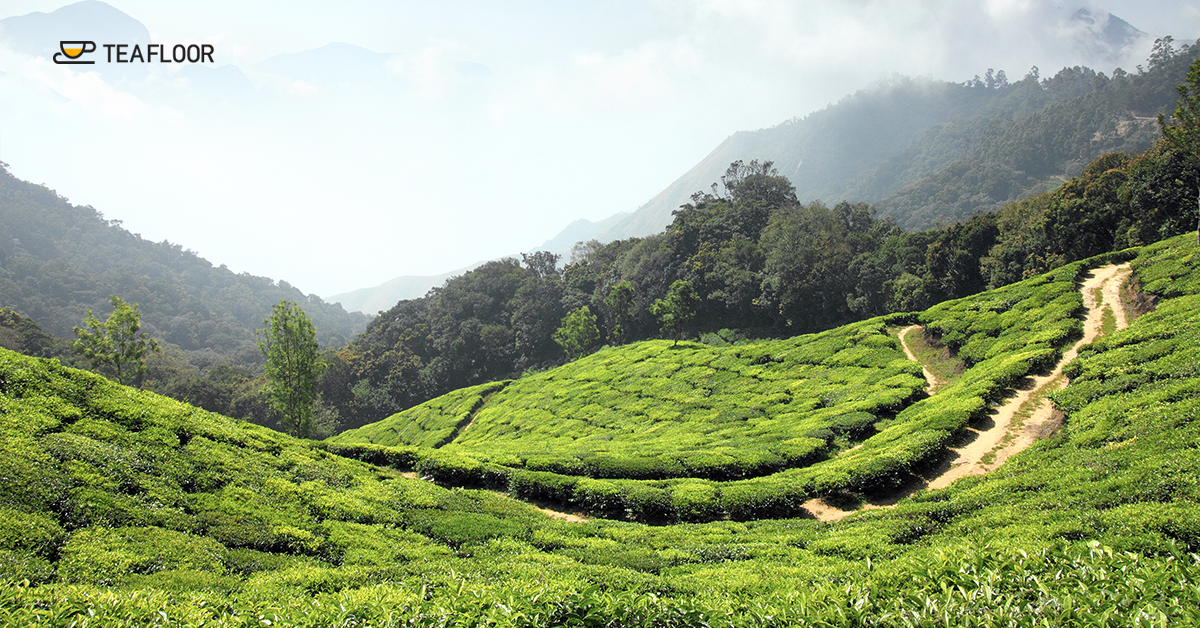
India is the second-largest producer of tea after China. While tea plantations were introduced during the colonial regime, it is the sprawling tea gardens in assam that truly revolutionized the country’s tea culture. Over the years, Indians started producing different varieties of teas like Assam, Kangra, Darjeeling, Kashmiri Kahva, Nilgiri, etc. Among all these varieties, the one which has stood the test of time in terms of popularity is Assam tea. This distinct brew has been loved by the majority of Indians, and for good reason.
The Origin of Assam Tea
No points for guessing that tea drinking was first introduced in China. It was Robert Bruce, who noticed the plant growing near Rangpur back in 1823. The leaves of this plant were sent for testing and they were classified to be the same species of plant as the ones found in the Chinese tea gardens. Mr. Maniram Dewan was the first Indian tea planter and is credited for establishing the very first commercial plantation of what we very well know and love as the Assam tea. By the year 1862, the tea industry in Assam comprised of around 160 gardens.
Today the region has grown to become one of the world’s largest tea producing belt producing more than 400 million kgs of tea on an annual basis. The tea estates in Assam cover a whopping 2,16,2000 hectares of land. More than 100 tea estates are dedicated to this brew. Assam tea has a very firm hold in the domestic tea market. Most Indians prefer this brew above the other variants because it is a very strong one that packs a punch. It has a powerful aroma and taste, with a burgundy-reddish hue to it. The Assam tea happens to be very malty in nature, perhaps that is the reason why it mixes really well to form chai.
More About the Assam Chai
Chai, as we know, is an elixir that most Indians thrive on. Assam tea has the ability to blend really well with milk and sugar unlike many other varieties of teas. It also complements the flavors of a few spices like cardamom, ginger, and cinnamon. There are many variations of Assam tea, and the quality, as well as the grades, differ. Since the brew is grown in abundance, the CTC method of the plantation is more often than not employed in its processing.
Since the brew is grown in huge quantities and processed using a mechanical CTC method, it is priced in a pocket-friendly manner. This means that the brew is within the reach of most Indians. Most of the middle-class Indians are always on the hunt for affordable products and Assam tea very easily ticks all the boxes. It is full of caffeine, it tastes good, it blends with milk and more than anything else, it is very easily accessible.
About the Tea Gardens in Assam
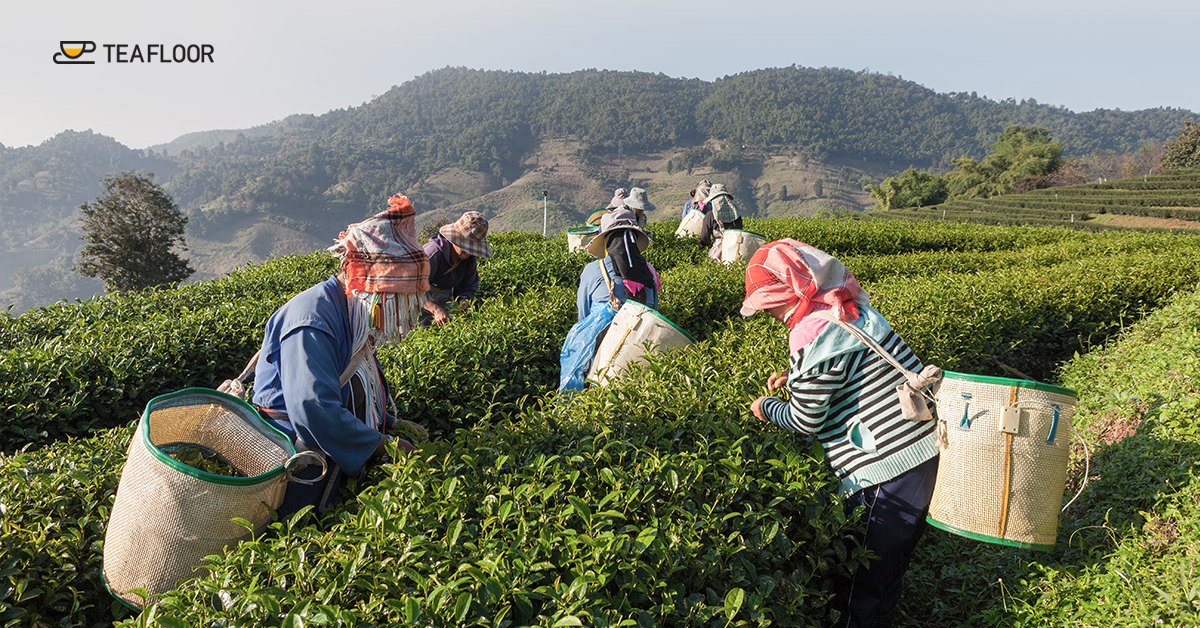
The tea gardens in Assam are some of the most beautiful spots for tourists. They are lush green and very pleasing to the eyes. Both men and women belonging to different age groups earn their livelihood by working in tea gardens and plantations. This brew provides a number of people with a means to earn their livelihood.
How to Identify Authentic, Premium Assam Tea?
With so many blends available in the market, finding pure, high-quality Assam tea can be tricky. Here is how you can identify the real deal like a tea sommelier:
- The Malty Aroma: Genuine Assam tea has a distinct, rich, and deeply comforting malty aroma. If you smell it and it reminds you of warm, toasted barley or fresh biscuits, it’s authentic.
- The Color (Burgundy Liquor): When brewed without milk, premium Assam tea produces a striking, deep amber or burgundy-reddish liquor. It should look clear and vibrant, not muddy or dull black.
- Golden Tips in Loose Leaves: Look closely at the dry tea leaves. If you see tiny, fuzzy golden-yellow flecks or “tips,” it indicates that the tea contains young, tender buds. These golden tips signify top-tier, orthodox quality.
- Full-Bodied Taste: A sip of authentic Assam tea immediately coats your palate. It is strong, deeply brisk, and packs a natural, heavy caffeine punch that wakes you up without leaving a bitter, chemical aftertaste.
Top 5 Famous Tea Estates in Assam You Must Visit
Assam hosts thousands of tea plantations. However, if you want an authentic experience, these famous tea gardens must top your list:
- Monabarie Tea Estate (Biswanath Chariali): Monabarie is Asia’s largest tea estate. It spans over thousands of hectares. The estate offers a majestic view of endless green bushes. You can also witness large-scale, premium tea manufacturing here.
- Halmari Tea Estate (Moran): Halmari produces some of the highest-priced and finest quality CTC and orthodox teas globally. If you want to experience traditional luxury, Halmari sets the benchmark.
- Wild Mahseer (Balipara): This boutique resort is perfect for heritage seekers. Operators converted this colonial-era tea planter’s bungalow into a beautiful stay. It allows tourists to live the vintage “tea planter life” amid lush botanical gardens.
- Amchong Tea Estate (Guwahati): Located very close to Guwahati, Amchong offers a quick escape. Tourists can enjoy tranquil tea fields here without traveling deep into upper Assam.
- Gatoonga Tea Estate (Jorhat): Known for its century-old history and heritage bungalows, Gatoonga produces exceptionally bright, strong black teas. We highly recommend their factory tours to see how fresh leaves turn into loose grains.
Best Time to Visit the Tea Gardens in Assam
Timing your travel is crucial to see the tea estates of Assam in their full glory.
- The Peak Season (May to October): Monsoon and post-monsoon rains make the tea bushes incredibly green. Workers harvest the famous Second Flush during this time. This harvest produces the sweetest, most prized teas. You can watch thousands of workers skillfully plucking “two leaves and a bud” across the estates.
- The Winter Season (November to February): Tea plucking slows down or stops during these cold months. However, the weather becomes pleasant and crisp. It is the perfect time for sightseeing, heritage bungalow stays, and exploring local wildlife.
- What to Avoid: Try to avoid March and April. Gardens go through a pruning phase during these months. Workers cut back the plants, so the estates look less lush.
Why Assam Brew is the Ultimate Alternative to Coffee
This bold black tea serves as the perfect substitute for high-acid morning drinks. Coffee often leads to sudden energy crashes. In contrast, the natural components in Assam tea offer a sustained, jitter-free boost. It gives you a rich, full-bodied morning ritual while keeping your focus steady for longer hours.
💡 Looking for a deeper dive into the wellness side? Check out our dedicated article on the 5 Surprising Benefits of Assam Tea to see how it fits into a healthy lifestyle!







My birthplace in a tea garden of Assam, Hansard, dist Tinsukia, Assam. I am writing my biography in name of “The Heaven in Tea Environment: A Case Study of Doom Dooma, Tinsukia, District, Assam, India”
these tea gardens are my lifeline
nice blog. it helped me very much in the activity that I have got at the school.